Are you ready to:
Detox the Mind from Stress?
Allow the Body to Rest, Digest, & Heal better?
Personally and Interpersonally Evolve?
- Harness the power of Neuroplasticity by training your mind through individual and group sessions -
NOTE:
RCMP/VAC/CAF members may have coverage through Medavie (email kyle@spiritualevolution.org to inquire)
Individual and group sessions have no specific religous or spiritual orientation and can help you on your journey whether you identify as an Athiest, Christian, Hindu, Buddhist, Indigenous, Catholic, Spiritual, or anything else.
Group sessions are skills-based that you apply to your life and not "talk therapy" as portayed in movies.
Where to begin?
FREE CONSULT: Schedule a 15-minute call to see if I can assist you.
GROUP SESSIONS: I recommend clients to first register for the Stress & Meditation Fundamentals group session offered in-person at Purely Wellness in Duncan (online starting June/July 2026).
This group session immediately provides you with skills to apply into your everyday life. This course will also fast-track any future work we do together.
INDIVIDUAL SESSIONS: Schedule a 50- or 70-min with me to work on specific areas in your life.
“Poor stress-coping contributes to the development of chronic diseases and accelerated aging” (Kaliman et al. 2013)

Learn to Detox and Defragment the Mind
Does stress or a busy mind impact your sleep, reduce your concentration, or impact your relationships?
Just as someone trains the body through physical exercise, we will train the mind through exercises to change the brain.
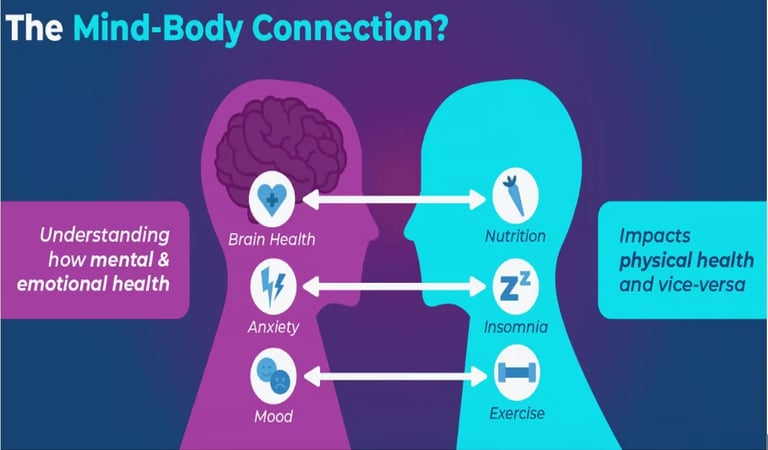
I teach methods to regulate the sympathetic nervous system and to rewire the mind-body connection through neuroplasticity.
Nerves that fire together... wire together!
Cross-Training the Mind
Do you know that 60 to 90% of all
dis-ease is linked to stress?
I teach a "cross-training" approach to use small daily mind-exercises to better connect the mind and body to create an optimal environment for improved health and healing.
Your mind is the Pharmacist for the brain, and the brain is the Pharmacy for the body. Learn how to train the Mind-Pharmacist.
The Mind and Spiritual Evolution
For those who want to go a step further into their journey, I can assist you to connect beyond the physical by harnessing the power of prayer, contemplation, and meditation into your everyday life.
In your own way, however you see life, I assist you in connecting to the Universe within you and the Universe around you.
If you are seeking a deeper meaning to life, I offer individual and group-based courses to journey into areas of Spiritual Evolution.


Stress Reduction
Consciousness Expansion
Mind-Body Balance
How Stress is Damaging and How our Mind Plays the KEY Role...
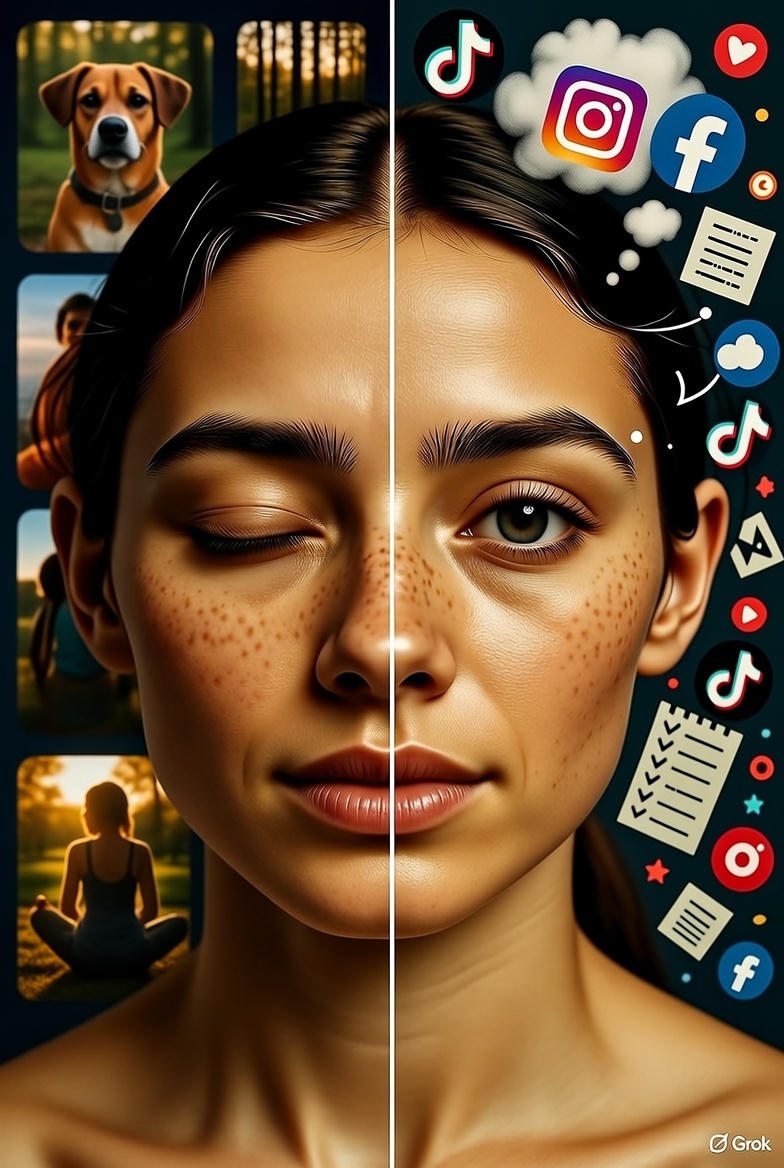
No matter if you're a teenager navigating school pressures, a first-responder facing high-stakes situations and cumulative stress, or someone trying to enjoying the transition into retirement, stress is an innate survival mechanism designed to protect us. However, when it turns chronic we get cortisol overload, reduced mental clarity and physical health, and spiritual disharmony. Constant demands from work, relationships, finances, global news, and daily challenges keep our nervous system in sympathetic-overdrive, triggering a cascade of biochemical reactions that become toxic and manifest disease.
Stress shifts us out of our "Window of Tolerance" (WOT), where the Sympathetic Nervous System (SNS) dominates, flooding our bodies with cortisol and other stress hormones. You might recognize this as feeling "on edge" or having a "short fuse" from built-up tension. Over time, it can lead to insomnia, foggy thinking, heightened anxiety, gut problems, and emotional numbness or anger.
Worse yet, when the mind fixates on past regrets or future worries, it ignites the stress response even without real threats, turning everyday moments into a cycle of negative information activating the brain. I call these: Negative-Mantras.
The exciting part? You can reclaim control by retraining your mind, brain, and nervous system with simple, daily mindfulness and meditation practices I call Present Moment Awareness (PMA). This is your direct antidote to a scattered mind—practiced throughout the day for lasting results.
By anchoring your focus in the here and now, you'll activate the Parasympathetic Nervous System (PNS), shifting your body into a state of rest, digestion, and natural healing. This not only clears mental fog but also awakens higher brain functions, sharpening intuition and bringing profound clarity. Imagine feeling more resilient, focused, and alive—ready to thrive?



Unlock the Mind's Potential by Cross-Training?
Beyond your everyday roles, habits, and thoughts lies a profound reality: We are all spiritual beings, a Soul, having a physical experience—a unique spark of consciousness from the infinite source, experiencing an adventure we call a lifetime.
For many, feeling disconnected from this deeper essence and guidance creates a sense of emptiness or isolation. Yet, when feeling reconnected—in a way that resonates on a personal level—suddenly, you're back in driver's seat of life and seeing challenges as opportunities.
Ancient practices like prayer, contemplation, and meditation have long been gateways to this universal wisdom, tailored across cultures and beliefs. Drawing from my extensive studies, I offer personalized tools and workshops that align with your faith, worldview, or personal exploration into these areas—whether you are spiritual, religious, or simply open and curious.
If you're drawn to expanding your consciousness and enriching your path, together we can customize a journey that brings deeper fulfillment and harmony into your life.
Contact me today to begin or register for a workshop.
Are Ready to Unlock the Mind Further!?
Our current lifestyles are overloaded with information that clogs up our working memory and contaminates our mind. Just as you build physical strength through targeted exercise, you can cultivate mental resilience and vitality with focused "cross-training" for the mind. My approach involves daily mind exercises that rewire your thinking patterns, engage the Parasympathetic Nervous System (PNS—for rest, digestion, and healing), and restore optimal balance between mind and body.
This process naturally detoxifies your system from excess cortisol and stress hormones, ignites your body's innate healing and regeneration abilities, and leverages neuroplasticity—the brain's remarkable capacity to adapt and strengthen connections ("nerves that fire together, wire together").
True healing extends beyond the physical; it's about harmonizing your thoughts, worldview, and self-care habits to create enduring energy and well-being. Whether you're recovering from an injury, navigating rehab, thriving in a demanding career, or simply enhancing daily life, optimizing your mind-body-spirit connection delivers real results.
Discover how these tools can elevate your performance at work, deepen your relationships, and infuse your days with more vitality. If you're ready to harness this power, reach out—I'm here to guide you toward your best self.

Upcoming Workshops
Explore our services that foster meditation, contemplation, and prayer for spiritual growth and inner peace.


Having trouble staying focused in
meditation?
Struggling to focus in meditation? Discover techniques to sharpen awareness, drop in with ease, and use “metaphysical push-ups” to spark lasting inner change.
Meditation Series
Curious about meditation but not sure where to start?
Discover the who, what, when, where, and why of meditation in this beginner-friendly workshop designed to calm your mind and reconnect you to your inner peace.
Do You Have a Question?
Reach out for support on your spiritual evolution